


Posts
Webinar on Oral History: Recording and Preserving Community Memory

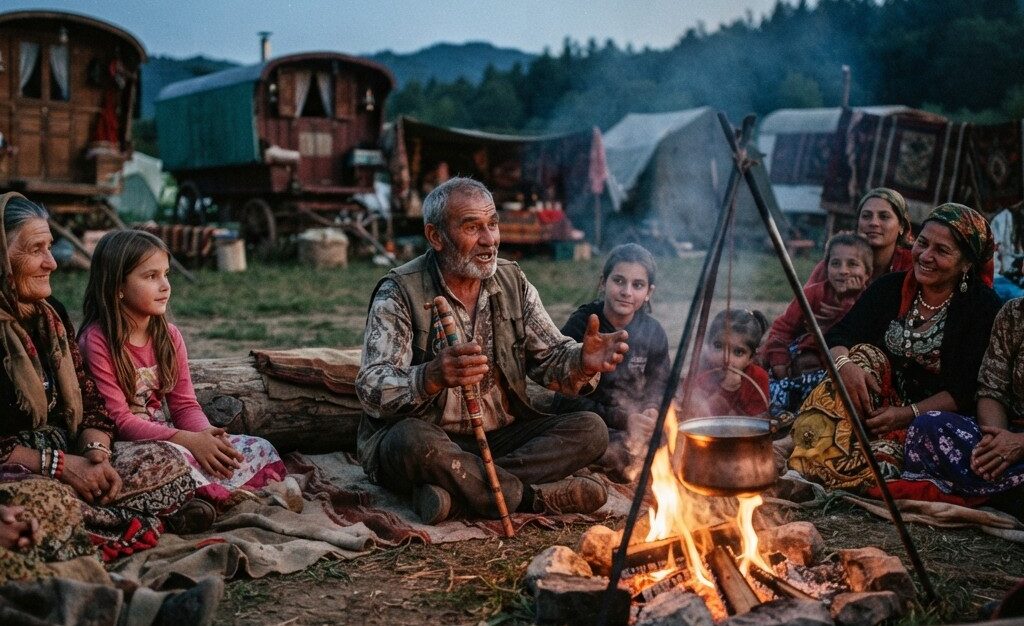
Oral history enables individuals and communities to record experiences, memories and cultural knowledge that are often absent from official archives and written historical sources. As part of the Roma Soul Food project, we are making this webinar publicly available so that researchers, cultural organisations, community workers, young people and other interested users can become familiar with the method and apply it in their own work. Oral history is not simply the recording of a conversation: it is a participatory process built around memory, biography and dialogue, through which personal testimonies can contribute to a richer and more inclusive understanding of the past and present.
The webinar provides a practical introduction to planning, conducting and recording oral history interviews. It explains how to define the purpose of an interview, research the topic and interviewee, prepare clear and open-ended questions, organise an introductory meeting and select a quiet, suitable recording location. Participants are encouraged to keep questions simple, avoid leading questions and allow narrators sufficient space to tell their stories in their own words.
Particular attention is given to ethics and informed consent, especially when working with marginalised communities, vulnerable participants or experiences connected with historical trauma. The webinar explains how consent forms should be presented in clear and accessible language and how interviewees should be informed about anonymity, attribution, withdrawal, storage, publication and future use of their testimonies.
The webinar also introduces the technical and directorial aspects of recording interviews, including equipment preparation, audio and video testing, camera positioning, lighting and framing. Together with the accompanying Oral History Guide, it offers an accessible resource for anyone wishing to document and preserve personal and community memory responsibly and to make stories that are rarely represented in official archives available to wider audiences.