


Music
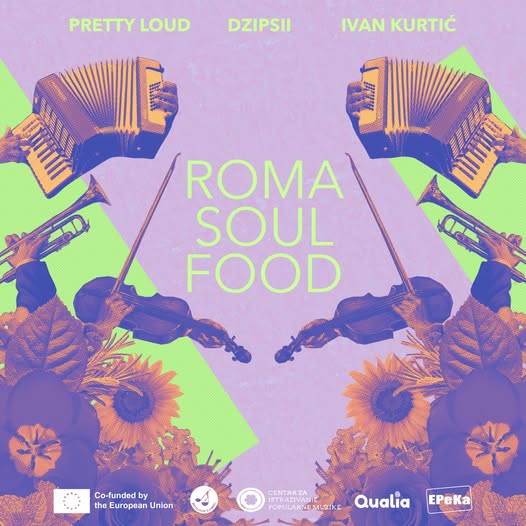
The Roma Soul Food album
Brings together contemporary Roma musicians and authentic culinary field recordings from Slovenia, Serbia, and Greece. Blending original songs, oral heritage, and local voices, it offers a unique soundscape that celebrates Roma identity, language, and cultural creativity. It merges Romani culinary heritage with contemporary music to preserve cultural identity and combat anti-Gypsyism.
The album bridges ethnographic research and music production, successfully publishing multi-language Romani tracks across major international streaming platforms.
Track List & Styles
Intro: Field recordings establishing Romani culinary memories.
Nokelen – Džipsii: Pop with a flamenco vibe about childhood memories.
BG Mahala – Pretty Loud: Modern trap/hip-hop focusing on neighborhood solidarity.
Romani Tradicija – Ivan Kurtić: Traditional 'kolo' dance pattern with soul vocals.
Roma Swag – Pretty Loud: Dynamic hip-hop celebrating contemporary Roma identity.
Kokalencar o Fusuji – Ivan Kurtić: Ballad reflecting on family meals and values.
Blizina – Džipsii: Spanish elements and flamenco vocals using food as a metaphor for closeness.
Outro: Concluding field recordings transitioning into a fast, danceable rhythm.
Roma Soul Food (RSF) is a concept album developed under the EU Creative Europe programme.
Coordinator: Centre for Popular Music Research, Serbia
Partners: Qualia (Greece) & Epeka (Slovenia)
Producer: Tihomir Radić
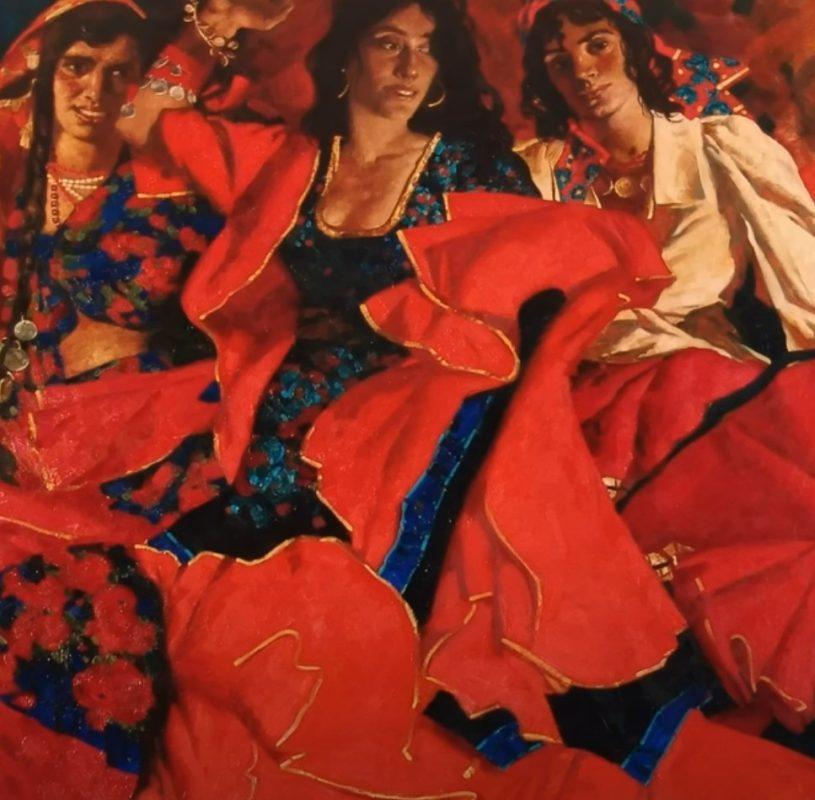
Balkan Romani Music
Romani music or Gipsy music is the music of the Romani people, who have their origins in northern India, but today live mostly in Europe. Historically nomadic, though now largely settled, the Romani people have long acted as entertainers and tradesmen. In many of the places Romanies live they have become known as musicians.
The wide distances travelled have introduced a multitude of influences of Byzantine, Greek, Arabic, Indian, Persian, Turkish, Slavic, Romanian, German, Dutch, French, Spanish and even Jewish musical forms. It is difficult to define the parameters of a unified Romani musical style, as there are many differences in melodic, harmonic, rhythmic and formal structures from region to region.
Lyrics to Romani songs are often sung in one or more dialects of the Romani language, and dance frequently accompanies Romani music performance.